Early in my career, I learned a dangerous lesson.
If people really saw who I was, it could cost me everything.
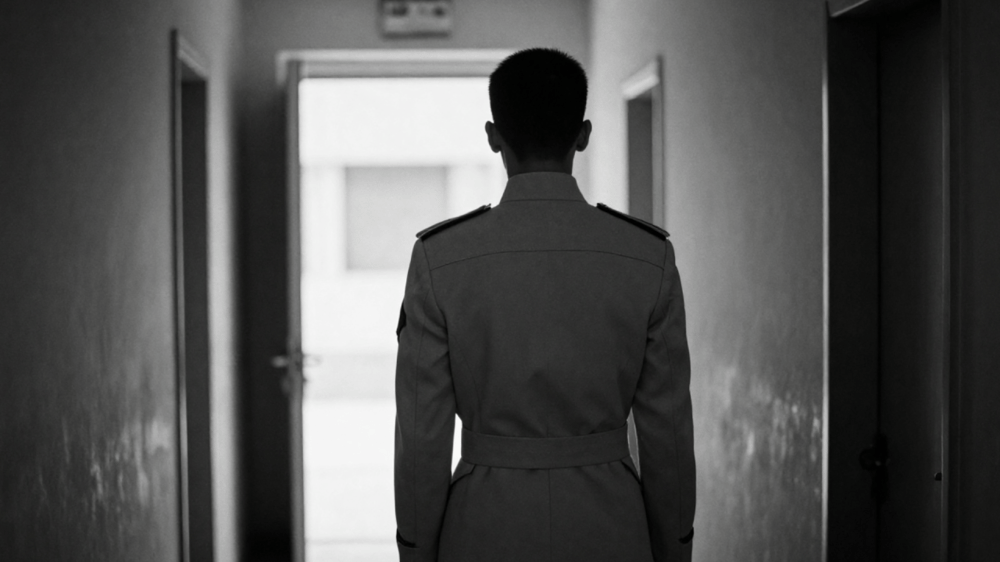
I served in the military during "Don't Ask, Don't Tell."
The rules were clear: do your job, stay quiet about who you are, and maybe you get to keep both your uniform and your future. So I learned to split myself in two.
Here's what was actually happening.
On paper, I was a good fit for the system. I followed orders, hit the marks, did the work.
Inside, my nervous system was running a different mission entirely: stay small, stay unreadable, stay safe.
That double life did not end when I left the service.
It followed me into every room that felt even a little like that old power dynamic: corporate meetings, creative reviews, leadership roles.
Any time I felt "different" in a room, my body hit the same familiar switch: hide what matters most, give them only the acceptable version of you.
For years, I thought that was just "being professional." In reality, it was a survival pattern built in a system that required me to erase parts of myself to belong.
The cost was subtle but real: fewer risks, fewer asks, fewer moments where my real voice got a chance to lead.
What finally shifted was realizing that my creative work and my coaching would never feel honest if they were built on the same old bargain. If I was helping other people be seen while I kept myself hidden, my nervous system was always going to call me out as a hypocrite.
Owning my story did not happen all at once. It happened one small disclosure, one honest sentence, one braver conversation at a time.
Now, when I work with creative leaders who are editing themselves to stay "palatable," I do not see weakness. I see a very old form of wisdom that simply needs a new job. The same vigilance that once kept you safe can be repurposed to notice when you are disappearing and invite you back into the room.
This week's application...
Notice one place where you regularly hide a part of who you are to feel acceptable. It might be your story, your identity, or even your actual opinion about the work.
Name it, just to yourself, and then choose one person or one context where you can safely bring a little more of that truth online this week. Not the whole story, just one honest sentence. Your goal is not to perform vulnerability. It is to signal to your own nervous system that you are allowed to exist here as you are, not as a split version.
If you are tired of leading from the edited version of yourself and you want support naming what that has cost you, that is exactly the work we can do together. Book a discovery call at dwight.authenticcreative.coach or DM me "LEADER" and we will map how your real story can become an asset in your leadership instead of a liability you keep managing.
-Dwight
Executive Coach for Creative Leaders | Host, For the Love of Creatives | Salem Speakers Bureau